

The way you care for your hair can influence how it looks, feels, and withstands everyday stress, but not every form of hair loss begins with hair care. Coloring, bleaching, heat styling, tight hairstyles, extensions, and aggressive brushing primarily affect the hair shaft or place mechanical stress on the follicle. In contrast, many forms of true hair loss originate beneath the scalp and may involve genetics, hormonal changes, nutritional deficiencies, inflammation, medications, illness, or disruptions in the normal hair-growth cycle.
Understanding this distinction is important. Hair that breaks several inches from the scalp requires a different approach than hair that is shedding from the root or becoming progressively finer through follicular miniaturization.
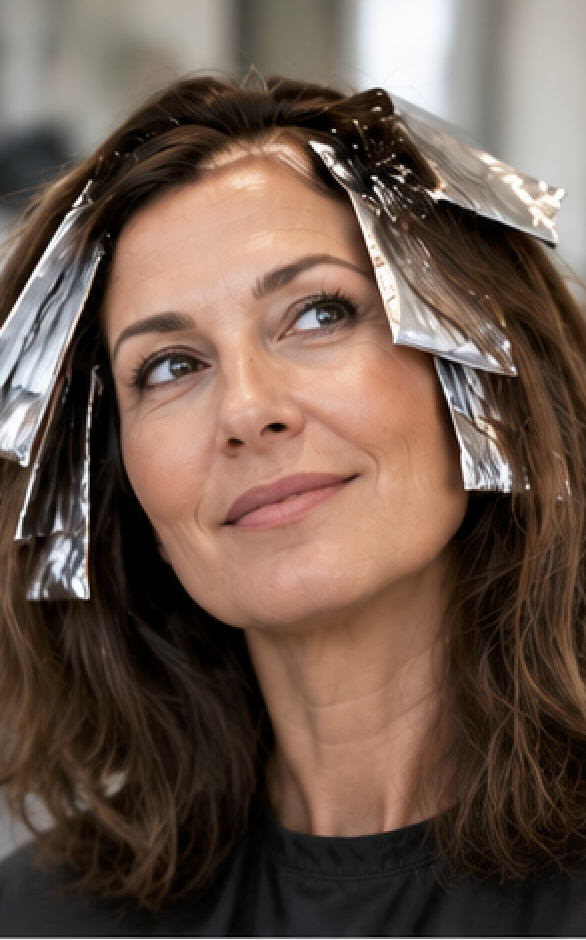 Hair coloring generally does not permanently damage the hair follicle when products are used correctly. However, permanent dyes chemically alter the hair shaft and can weaken its protective outer layer, particularly with frequent processing. This can leave hair dry, brittle, porous, and more susceptible to breakage.
That breakage can sometimes make the hair appear significantly thinner even though the follicles are still producing hair normally. Problems become more concerning when coloring causes scalp irritation, chemical burns, or significant inflammation.
Women experiencing progressive thinning should not automatically blame hair color. If hair density is decreasing at the scalp, other causes—including hormonal changes, genetics, nutritional deficiencies, medications, thyroid disorders, and inflammation—should also be considered.

Bleaching can cause substantial hair-shaft damage, but it does not typically cause follicular hair loss when performed correctly. Bleach works by penetrating the hair shaft and oxidizing its natural pigment. During this process, the structural integrity of the hair can also be weakened.
Repeated or aggressive bleaching may make hair extremely porous and fragile, causing strands to break near the scalp. This can create the appearance of hair loss.
A severe chemical burn or inflammatory reaction involving the scalp is different and may potentially injure follicles. Women who notice excessive shedding from the root, widening of the part, or progressive scalp visibility should therefore consider whether something beyond bleaching is occurring. True hair loss deserves evaluation independently from cosmetic hair damage.

Yes. Frequently wearing tight ponytails, buns, braids, or similar hairstyles can place repeated tension on hair follicles. Over time, this can produce a condition known as traction alopecia.
Early warning signs may include tenderness, itching, broken hairs, small bumps, or thinning around the temples and hairline. During the early stages, reducing tension may allow affected follicles to recover.
However, prolonged traction can eventually damage follicles enough to cause permanent hair loss. Women should vary hairstyles, avoid consistently pulling the hair tightly, and be particularly cautious when extensions or added hair increase the weight placed on follicles.
Persistent thinning around the hairline should be evaluated early because intervention before follicular scarring develops offers the best opportunity for recovery.

Frequent use of flat irons, curling irons, blow dryers, and other high-temperature styling tools can weaken the hair shaft. Excessive heat removes moisture and damages the protective cuticle surrounding each strand, making hair more susceptible to splitting and breaking.
This is generally hair breakage rather than follicular hair loss.
Signs include uneven hair lengths, split ends, frizz, short broken strands, and hair that snaps easily. Lowering temperatures, limiting repeated passes with heated tools, using heat-protective products, and allowing hair to air-dry when practical may reduce further damage.
If hair is instead coming out from the root or overall scalp density is declining, heat styling alone is unlikely to explain the problem and an underlying cause should be investigated.

Hair breakage and true hair loss can look similar but occur for very different reasons. Breakage happens when the hair shaft physically snaps. You may notice shorter strands, uneven lengths, split ends, or fragile hair following bleaching, chemical processing, heat styling, or excessive tension.
Hair loss occurs when entire hairs are shed from follicles or when follicles progressively produce thinner, shorter hairs. Women may notice increased shedding, a widening part, decreased ponytail circumference, or greater scalp visibility.
Sometimes both conditions occur simultaneously.
Determining which process is occurring is important because repairing damaged hair will not correct an underlying follicular disorder. Persistent thinning warrants evaluation of the scalp, medical history, medications, hormones, nutrition, and other potential contributors.

There is no single shampoo proven to reverse every form of female hair loss. Shampoo primarily cleans the scalp and hair, and its value depends on the condition being treated.
Women with dandruff or seborrheic dermatitis, for example, may benefit from shampoos containing ingredients such as ketoconazole, zinc pyrithione, selenium sulfide, or other appropriate anti-dandruff agents. A healthy scalp environment can be an important part of an overall hair-care program.
However, shampoo generally cannot correct hair loss caused by menopause, genetics, iron deficiency, thyroid disease, medication effects, or other systemic factors.
Be cautious of products promising dramatic regrowth based solely on shampoos or cosmetic ingredients. When progressive thinning exists, identifying the cause is more important than continually changing shampoos.

Scalp massage may feel relaxing and can temporarily increase local blood flow, but evidence that massage alone produces meaningful hair regrowth remains limited.
Gentle massage can still be incorporated into a healthy scalp-care routine, provided it does not involve aggressive rubbing, scratching, or pulling fragile hair. For some women, it may also provide relaxation and help reduce scalp tension.
The important distinction is between supporting scalp health and treating the biological cause of hair loss. Massage cannot correct iron deficiency, hormonal imbalance, thyroid disease, autoimmune alopecia, significant inflammation, or genetically influenced follicular miniaturization.
Women experiencing noticeable thinning should therefore view scalp massage as supportive care rather than a substitute for determining why their hair is being lost.

There is no universal rule about how frequently women should wash their hair. Washing frequency should depend on scalp oil production, hair texture, activity level, styling practices, and whether a scalp condition is present.
Regular shampooing does not normally cause hair loss. The hairs seen in the shower were often already in the shedding phase and are simply released during washing.
Women with oily scalps or certain scalp conditions may benefit from more frequent cleansing, while dry, curly, chemically processed, or fragile hair may require less frequent washing.
Avoiding shampoo because you are frightened by hairs in the drain can sometimes allow oil, scale, and product buildup to accumulate. A clean, healthy scalp should generally be the goal.

Occasional dry-shampoo use is unlikely to cause true hair loss in most women. However, dry shampoo absorbs oil rather than actually cleansing the scalp. Heavy or prolonged use without regular washing may allow oil, dead skin, styling products, and residue to accumulate.
This buildup may contribute to irritation, itching, inflammation, or increased hair-shaft breakage in susceptible individuals. Vigorous rubbing while applying or removing the product can create additional mechanical stress.
Dry shampoo is therefore best viewed as a temporary styling convenience rather than a replacement for regular scalp cleansing.
If thinning continues despite changing hair-care habits, the underlying problem may involve the follicles rather than the products being used on the hair.

Yes. Hair extensions can contribute to permanent hair loss when they repeatedly place excessive weight or tension on the follicles. This is another potential cause of traction alopecia.
Extensions attached tightly or worn continuously can be especially stressful around the temples, hairline, and attachment points. Early signs include scalp tenderness, itching, broken hairs, bumps, or localized thinning.
If the tension is removed early enough, follicles may recover and hair may regrow. Continued traction, however, can eventually produce inflammation, follicular damage, and scarring, at which point regrowth may become limited or impossible.
Women already experiencing thinning should be especially cautious with extensions. Increasing cosmetic volume should never come at the expense of further damaging vulnerable follicles.

Omni Balanced Life Center 720 Goodlette-Frank Rd Suite #205, Naples, FL 34102 (239) 495-6300

Gardner Orthopedics, 3033 Winkler Ave, Suite 170 Fort Myers Florida, 33916 (239) 495-6300