
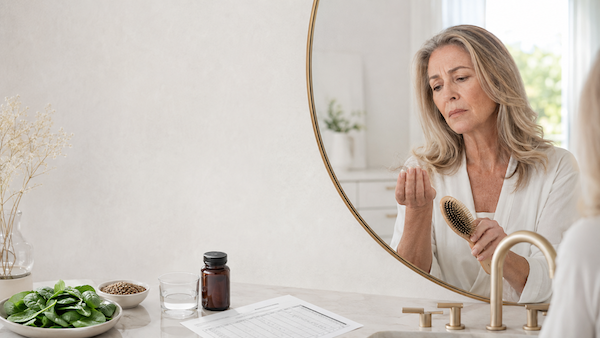
Hair loss doesn’t always begin with a problem at the scalp. Sometimes, changes in your hair are connected to what has been happening throughout your body—and your life.
Significant emotional stress, illness, surgery, rapid weight loss, poor nutrition, inadequate sleep, and other physical stressors can disrupt the normal hair growth cycle. Because hair responds slowly, increased shedding may not appear until weeks or even months after the triggering event. This delay can make it difficult for women to connect what they are experiencing today with something that happened months earlier.
At Hair Loss Heroes, we believe understanding these connections is an important part of understanding women’s hair loss. Stress may be one piece of the puzzle, but it should not automatically be assumed to be the only explanation. Hormonal changes, nutritional deficiencies, thyroid function, medications, genetics, inflammation, and other health factors may also contribute.
In this Stress & Lifestyle section of the Hair Loss Heroes Education Library, we answer common questions women ask about stress, sleep, exercise, illness, anxiety, diet, and everyday habits that may influence their hair.
Your hair may be telling you something. Understanding why is the first step toward knowing what to do next.
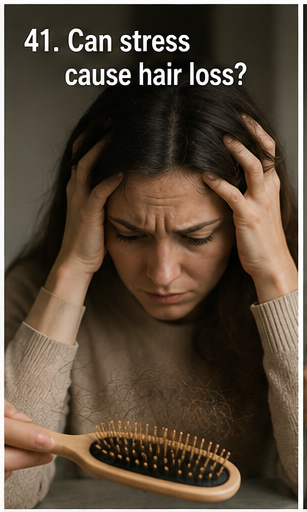 Yes. Significant physical or emotional stress can disrupt the normal hair-growth cycle and cause a condition called telogen effluvium. During this process, more hair follicles than usual transition from the active growth phase into the resting and shedding phase. The confusing part is timing: increased shedding may not become noticeable until two or three months after the stressful event. Divorce, grief, caregiving, financial stress, serious illness and other major life events can all contribute. Stress-related shedding is frequently temporary, but persistent or severe hair loss deserves evaluation because hormones, thyroid disorders, nutritional deficiencies, medications and genetic hair loss may also be involved.
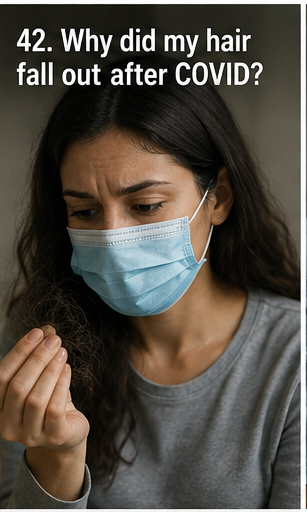 Hair shedding following COVID-19 has been associated with telogen effluvium, a temporary disruption of the hair-growth cycle that can occur after an infection, fever or other significant physical stress. Rather than COVID directly destroying the hair follicles, the body’s response to illness may cause an unusually large number of follicles to enter the resting phase. Shedding often becomes noticeable weeks or months after recovery. COVID may also coincide with weight loss, reduced nutrition, emotional stress and sleep disturbances. Because other conditions can contribute simultaneously, prolonged hair loss should not automatically be attributed solely to COVID without considering other potential causes.
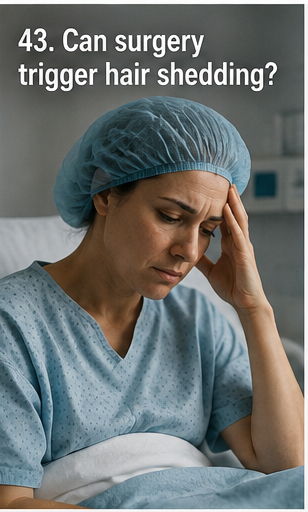 Yes. Major surgery can place considerable physiological stress on the body and may trigger telogen effluvium. The procedure itself, anesthesia, blood loss, inflammation, changes in nutrition, medications and the recovery process may collectively disrupt the normal hair-growth cycle. Women often don’t make the connection because shedding may not become apparent until several months after surgery. Hair may suddenly appear in the shower, brush or on clothing even though the surgical procedure occurred months earlier. Post-surgical shedding is often temporary; however, persistent thinning warrants further investigation to determine whether iron deficiency, hormonal changes, thyroid dysfunction, nutritional problems or underlying female pattern hair loss are contributing.
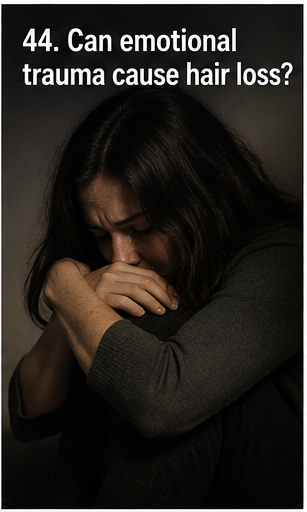 Yes. Severe emotional stress—including grief, divorce, loss of a loved one, caregiving stress or another traumatic event—can contribute to excessive hair shedding. The body’s stress response can influence the normal cycling of hair follicles, causing more follicles to enter the resting phase and eventually shed. Importantly, the hair loss may occur months after the original event, when a woman may believe the stressful period has already passed. Emotional stress can also affect sleep, appetite and nutrition, creating additional factors that influence hair health. When shedding continues, identifying other possible contributors is important rather than assuming emotional stress is the only explanation.
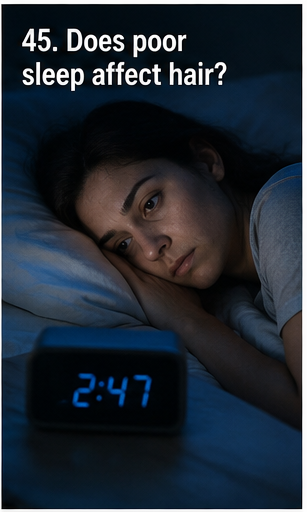 Sleep is important to overall physiological health, but poor sleep should not automatically be considered a direct cause of hair loss. Chronic sleep disruption can contribute to increased stress and may affect hormonal regulation, immune function, eating patterns and overall health—all factors that can potentially influence the environment in which healthy hair grows. Poor sleep may also occur alongside anxiety, menopause, illness or medications that have their own relationship with hair changes. When a woman experiencing chronic sleep problems also notices increased shedding, it is worthwhile to look at the larger picture, including stress, nutrition, hormones, thyroid function, medications and other potential contributors rather than treating hair loss as an isolated problem.
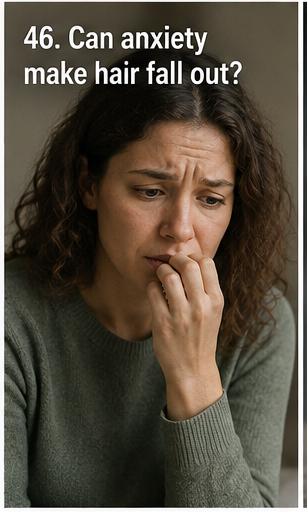 Anxiety itself does not mean that a woman will lose her hair, but prolonged or severe anxiety can create a sustained stress response that may contribute to telogen effluvium in susceptible individuals. Anxiety may also interfere with sleep, appetite and nutrition, potentially adding additional stressors. Another condition, trichotillomania, involves recurrent urges to pull out one’s hair and can sometimes occur alongside anxiety or other psychological conditions. The important distinction is that not every case of hair loss in someone experiencing anxiety is caused by anxiety. Persistent shedding or thinning deserves a broader evaluation for hormonal, nutritional, thyroid, medication-related, autoimmune and genetic contributors.
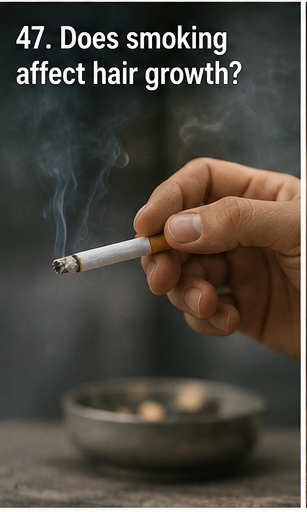 Smoking has been associated in research with hair loss and premature hair aging, although the relationship is more complicated than simply saying smoking causes baldness. Tobacco smoke exposes the body to oxidative stress and numerous chemicals that can affect blood vessels, inflammation and cellular health. Researchers have proposed several mechanisms through which smoking could negatively affect hair follicles and the normal growth environment. Genetics, hormones, nutrition, age and underlying health conditions remain important variables. For women experiencing thinning hair, smoking history should therefore be considered as one component of a broader lifestyle and medical assessment rather than assumed to be the single cause of hair loss.
 Alcohol is not generally considered a direct cause of female hair loss, but excessive or chronic alcohol consumption can indirectly create conditions that are unfavorable for healthy hair growth. Heavy alcohol use can affect nutrition, hydration, sleep, liver function and the absorption or utilization of important nutrients. Hair follicles require adequate protein, iron, vitamins and minerals to support normal growth. Alcohol can also interact with medications and contribute to broader health problems. Occasional moderate consumption is very different from chronic excessive use. When evaluating unexplained thinning, alcohol intake is one of many lifestyle factors worth considering alongside nutrition, medications, hormones, thyroid function, stress and medical history.
 Dehydration is frequently blamed for hair loss online, but there is limited evidence that ordinary mild dehydration directly causes significant hair loss. Adequate hydration is nevertheless important for normal cellular function and overall health. Severe or prolonged dehydration may occur alongside illness, poor nutrition or other physiological stressors that could influence the hair-growth cycle. Hair that is dry and brittle may also be more susceptible to breakage, which can sometimes be mistaken for hair loss from the follicle. Women experiencing significant shedding should therefore look beyond hydration alone. Persistent hair loss deserves consideration of nutrition, iron status, thyroid function, hormones, medications, illness, stress and genetic factors.
 Regular exercise provides substantial benefits for cardiovascular health, metabolism, stress management, sleep and overall wellness, but exercise should not be promoted as a direct treatment for hair loss. Healthy physical activity may support the overall environment necessary for normal hair growth, particularly when it helps reduce chronic stress and improves general health. However, excessive exercise combined with inadequate calories, rapid weight loss or insufficient protein and nutrients can have the opposite effect and potentially trigger telogen effluvium. The goal is balance. Exercise can be an important component of a healthy lifestyle, but women experiencing significant hair thinning should still investigate the underlying medical, hormonal, nutritional and genetic factors affecting their hair.

Omni Balanced Life Center 720 Goodlette-Frank Rd Suite #205, Naples, FL 34102 (239) 495-6300

Gardner Orthopedics, 3033 Winkler Ave, Suite 170 Fort Myers Florida, 33916 (239) 495-6300