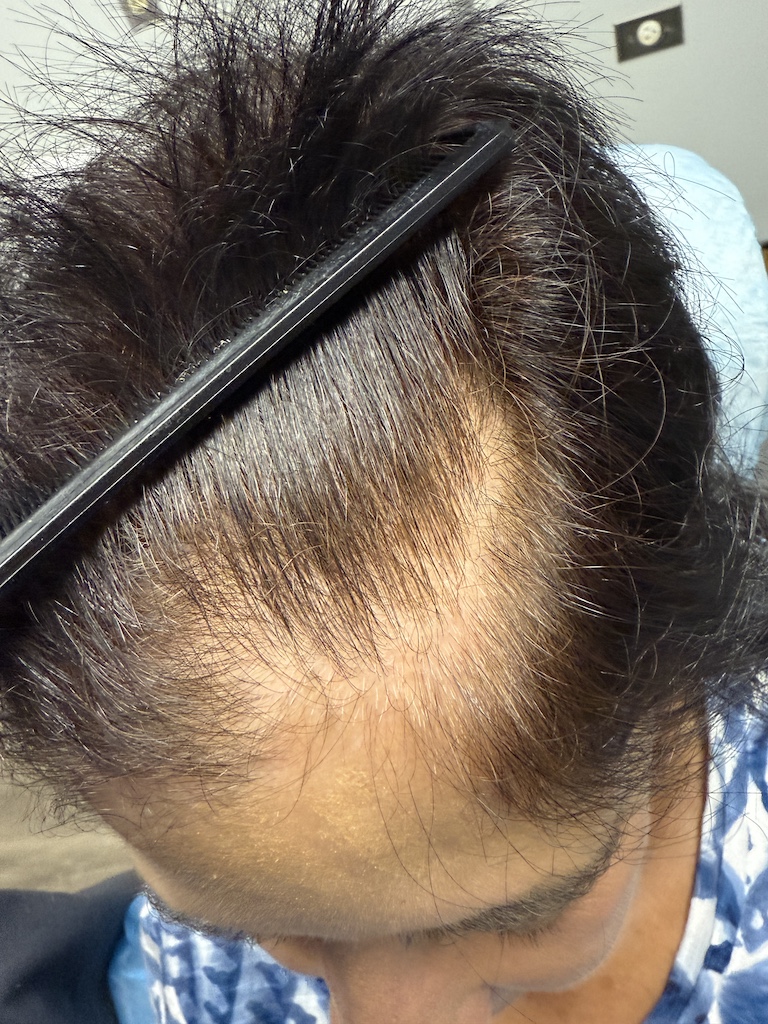
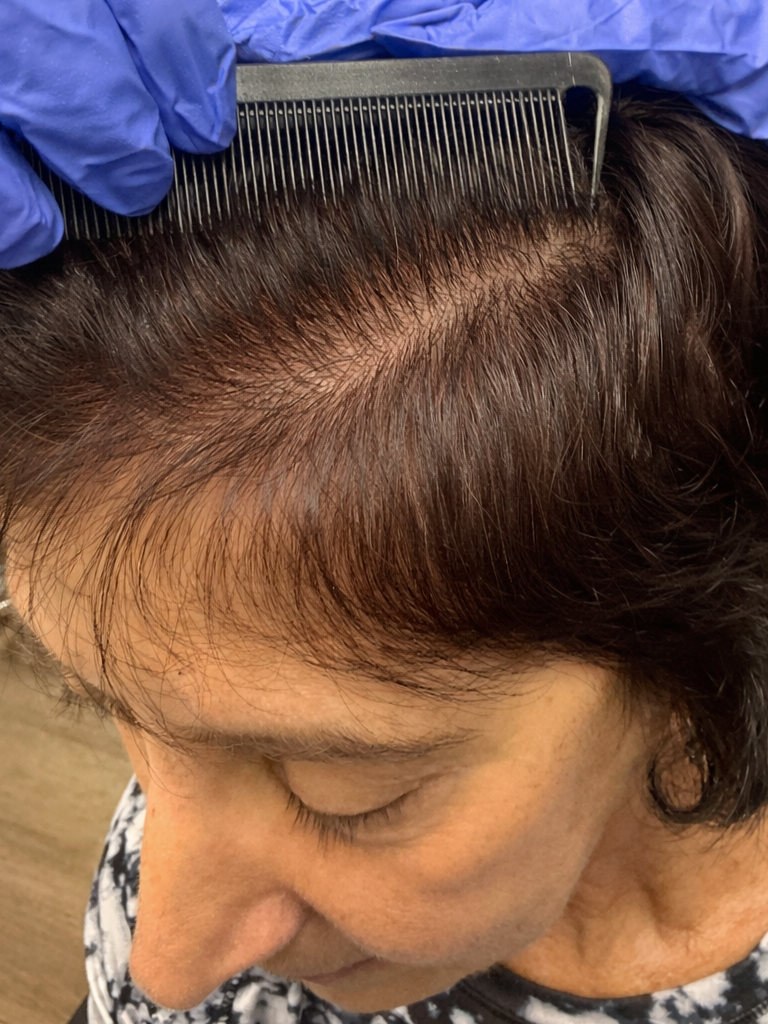
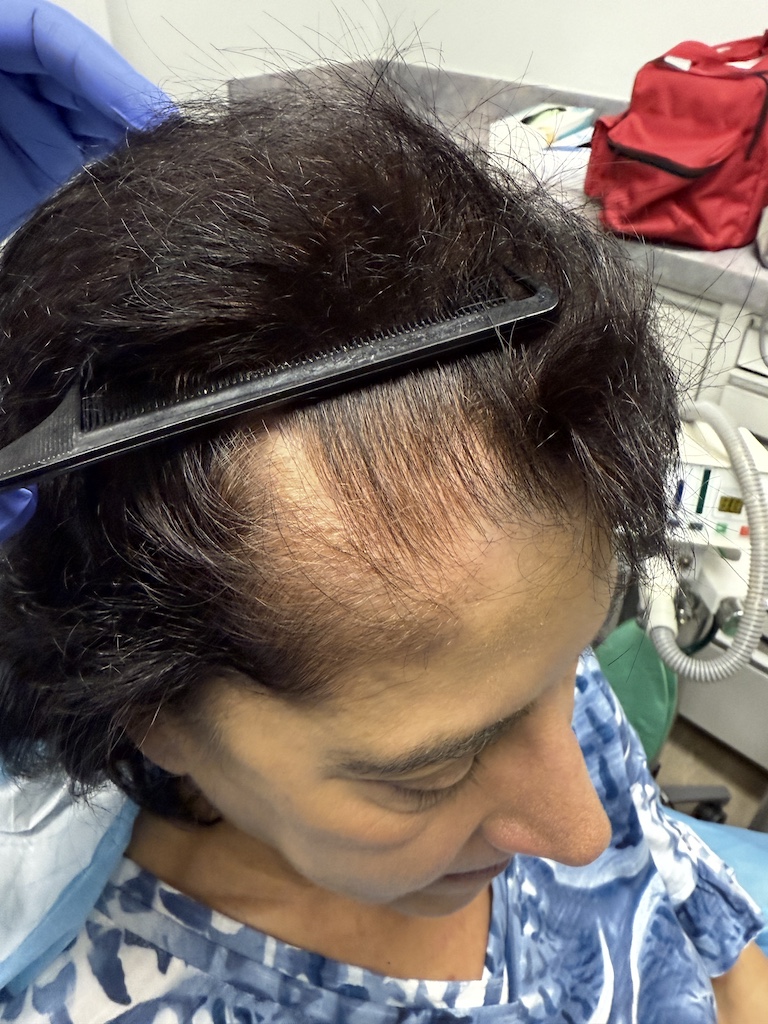
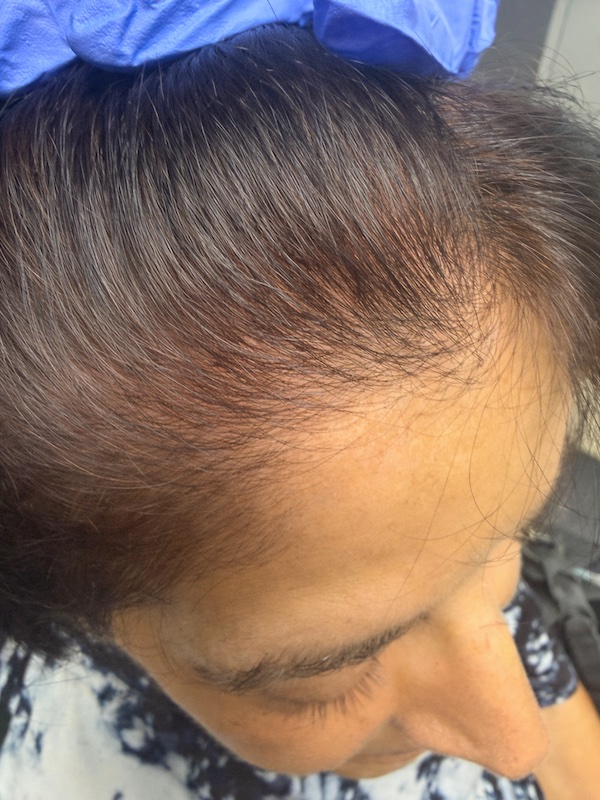
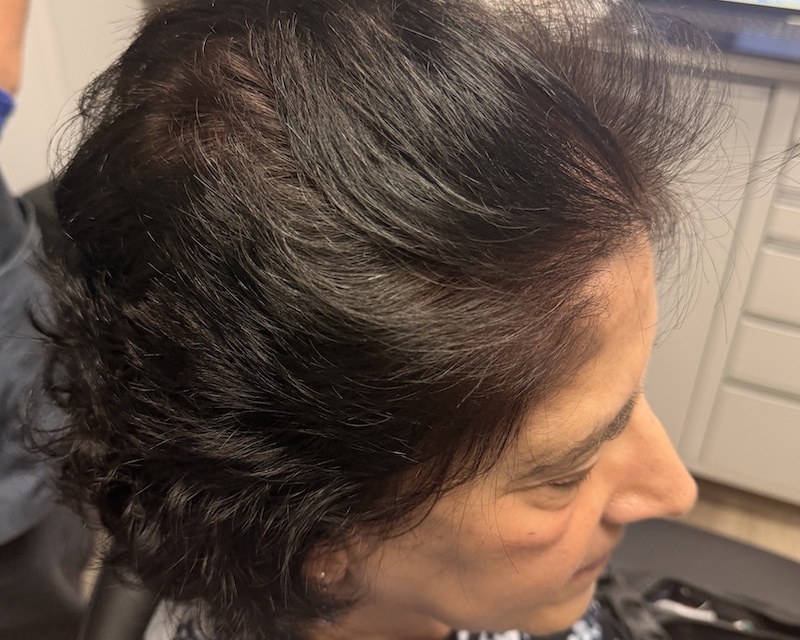
The laboratory results indicate that this 68-year-old female patient is experiencing hair loss that is likely influenced by nutritional deficiency rather than androgen-driven hair thinning.
Case Study, Patient #21035
Patient #21035 Journey to Women's Hair Regrowth and Restoration
Like many women we see, the hair loss happened quickly and felt overwhelming. From the moment she came in for her evaluation, however, she was determined to do whatever it would take to restore her hair growth.
Patient #21035 arrived at Hair Loss Heroes deeply emotional and concerned about the rapid hair loss she had been experiencing. For most of her life she had enjoyed thick, beautiful hair, so the sudden thinning had a profound emotional impact on her confidence and sense of identity. Like many women we see, the change happened quickly and felt overwhelming. From the moment she came in for her evaluation, however, she was determined to do whatever it would take to restore her hair. She quickly became one of the most compliant patients in our program. If a step in the protocol supported hair growth, she followed it without hesitation. She carefully adhered to every recommendation, from laboratory testing and nutritional support to regenerative treatments. Her commitment never wavered. Because of her dedication and the Hair Loss Heroes treatment protocol, Patient #21035 began seeing meaningful improvements and ultimately achieved the results she had hoped for.
Biological Diagnostics
The laboratory results indicate that this 68-year-old female patient is experiencing hair loss that is likely influenced by nutritional deficiency rather than androgen-driven hair thinning. Her dihydrotestosterone (DHT) measured by LC/MS/MS is very low at <5 ng/dL, suggesting that androgenic activity is minimal and that classic androgen-related hair loss mechanisms are unlikely to be the primary cause. However, her ferritin level of 27 ng/mL is significantly below the optimal range for hair follicle health. Ferritin represents stored iron in the body, and healthy hair follicles require adequate iron reserves to sustain the rapid cellular turnover involved in hair growth. Clinical experience and emerging literature suggest that optimal hair restoration outcomes are often seen when ferritin levels are closer to 80–100 ng/mL. When ferritin is low, hair follicles may prematurely shift from the growth phase (anagen) into the shedding phase (telogen), resulting in diffuse thinning. These findings suggest that reduced iron stores may be a significant contributor to this patient’s current hair loss pattern.
Treatment Plan
The treatment strategy should focus on restoring the biological conditions necessary for strong follicular activity while simultaneously stimulating dormant follicles. First, the patient’s iron stores should be safely replenished, typically through physician-guided iron supplementation and dietary adjustments designed to increase iron absorption. Ferritin levels should be monitored periodically with the goal of raising them toward the optimal range of approximately 100 ng/mL, which supports robust hair follicle metabolism. Because the patient is not currently on hormone replacement therapy and her DHT is already low, androgen-blocking treatments are not indicated at this time. Instead, once the biological foundation is addressed, the patient can begin regenerative follicular stimulation using Protein Biologic Concentrate (PBC), a proprietary treatment available exclusively at Hair Loss Heroes. PBC therapy delivers concentrated growth factors that help reactivate weakened follicles, improve scalp circulation, and support thicker hair production. Combining ferritin restoration with the regenerative effects of Hair Loss Heroes’ proprietary PBC therapy provides a comprehensive, biology-based approach to improving hair density and scalp health.
The Results
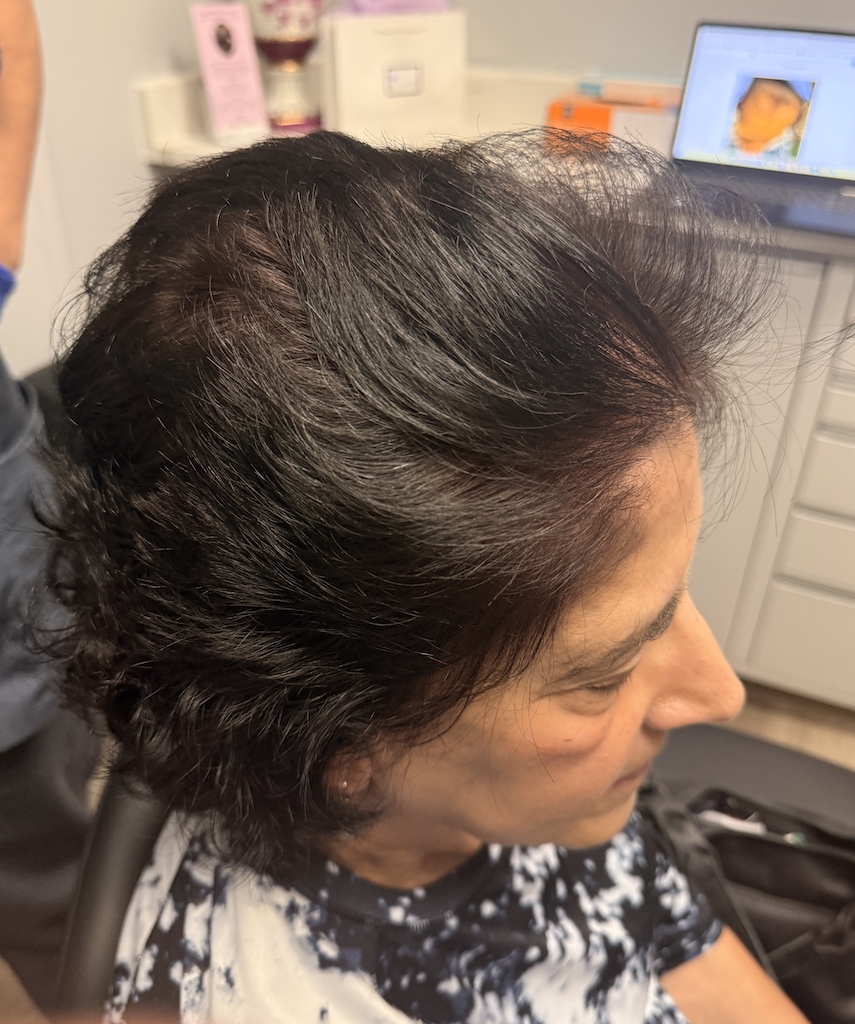
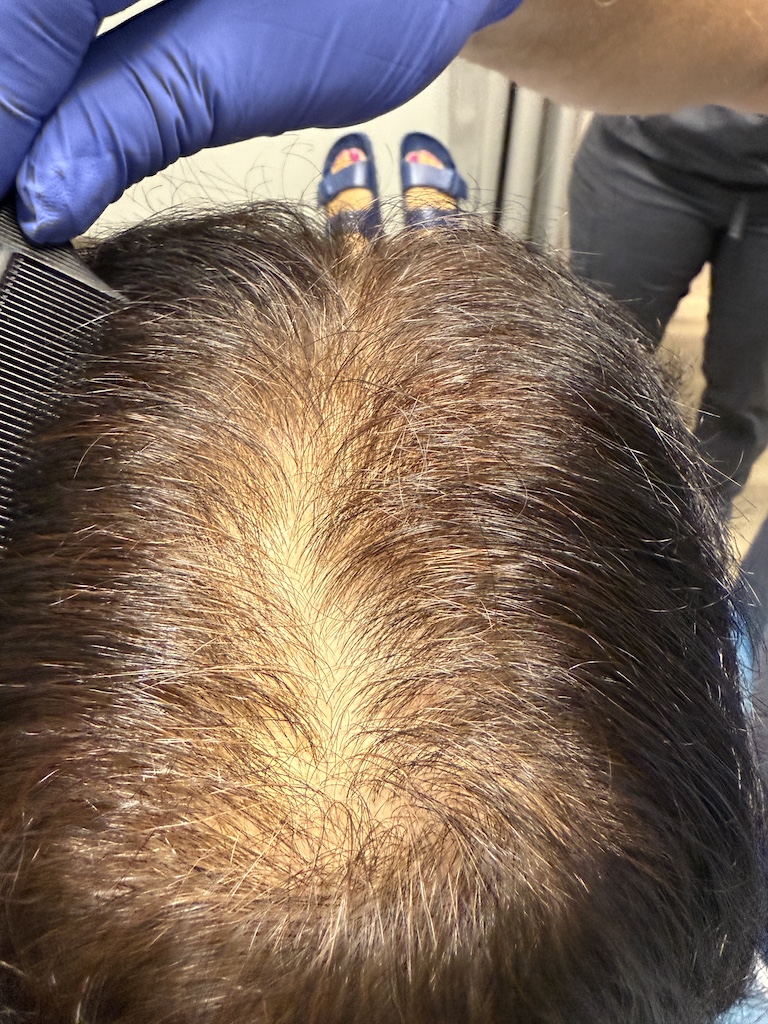
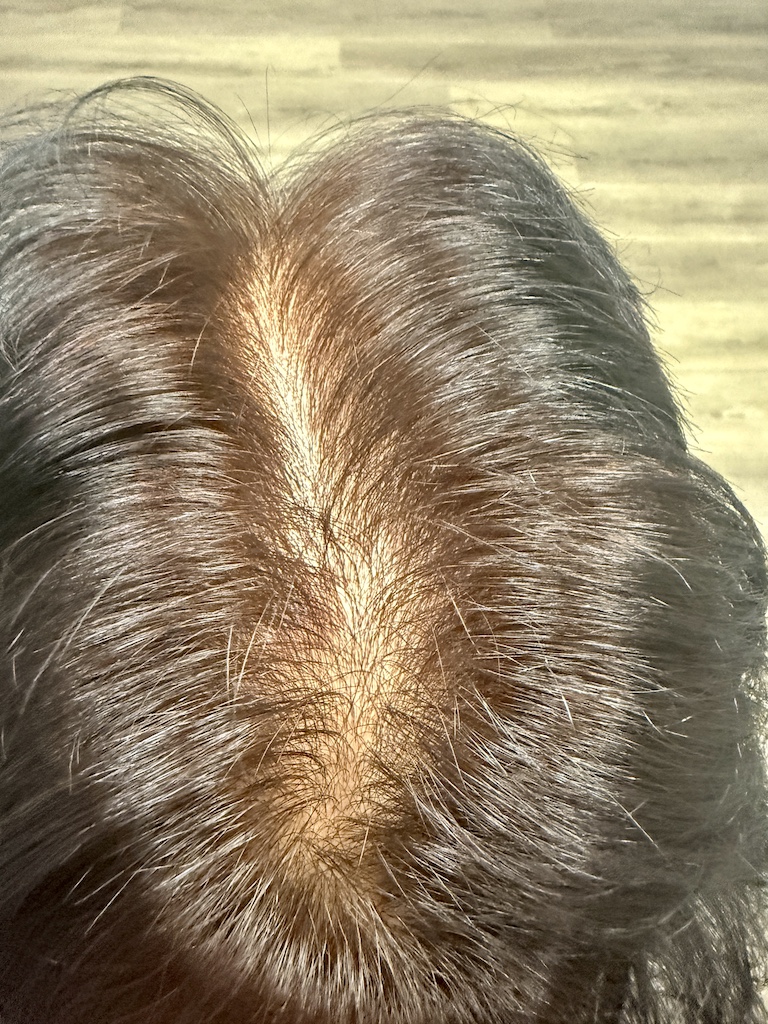
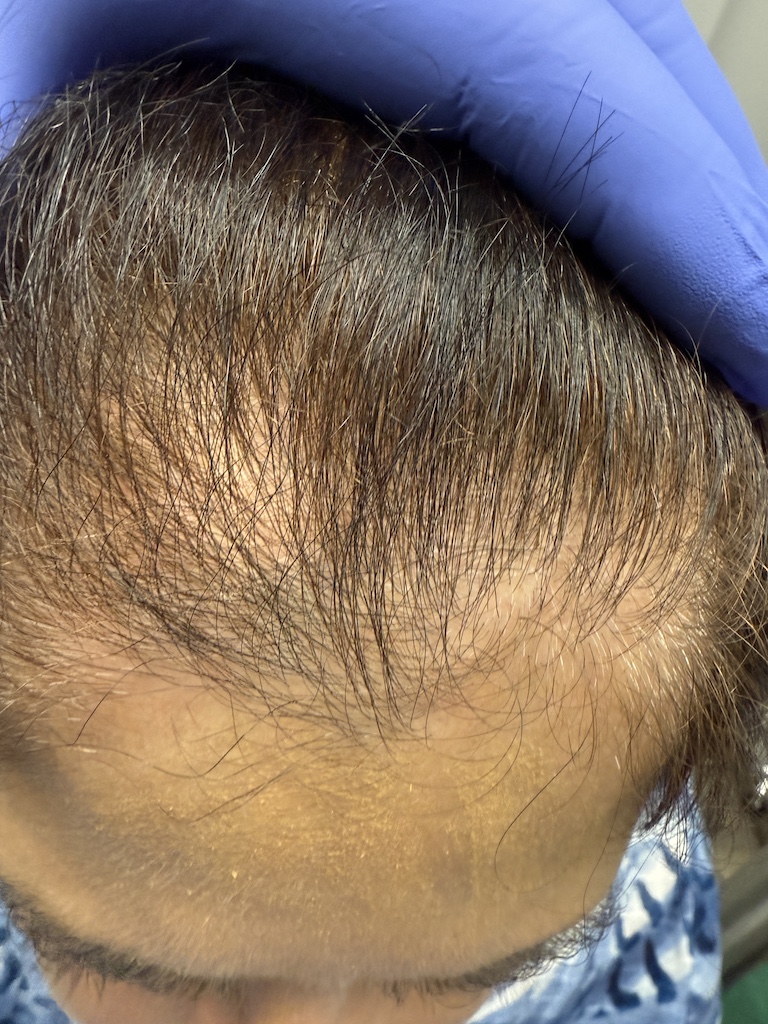
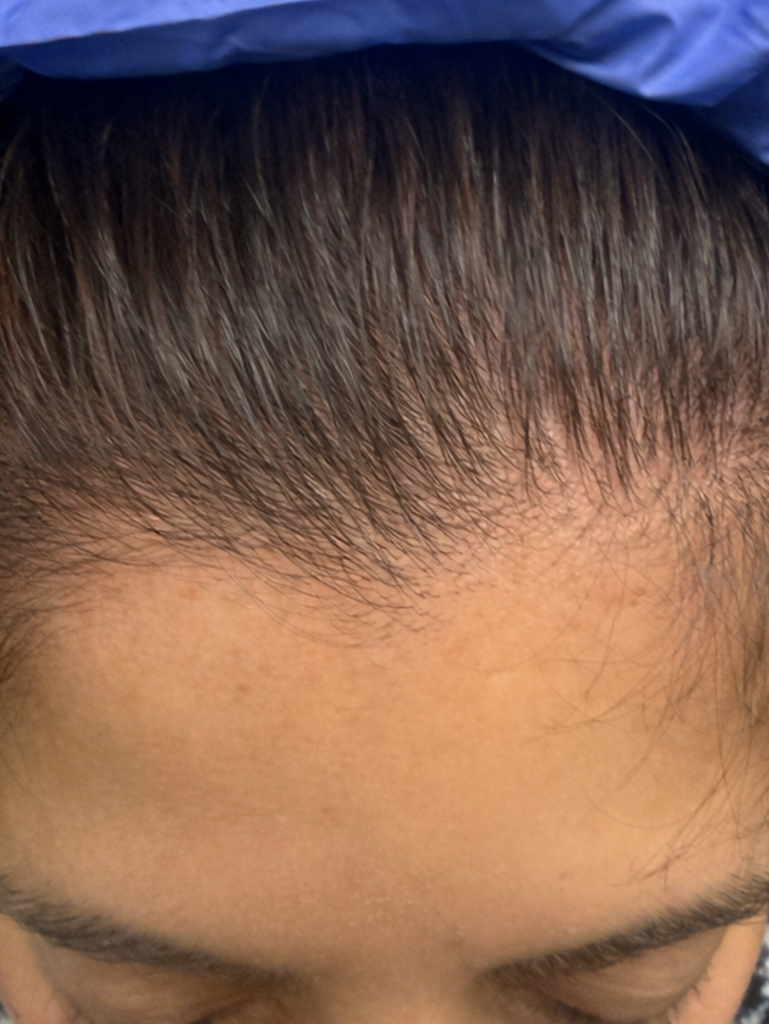
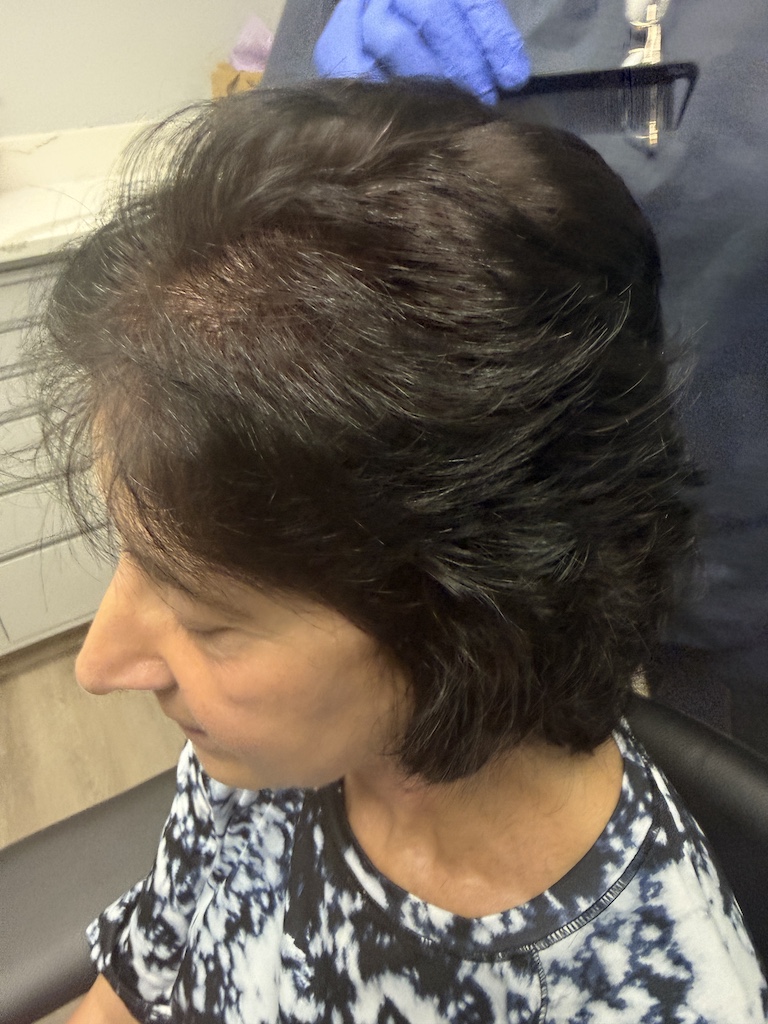
Benchmark Crown
12 Month Post Treatment Crown
Benchmark Left Lateral
12 Month Post Treatment Lt Lateral
Benchmark Right Lateral
12 Month Post Treatment Rt Lateral
Benchmark Hair Line
12 Month Post Treatment Hair Line
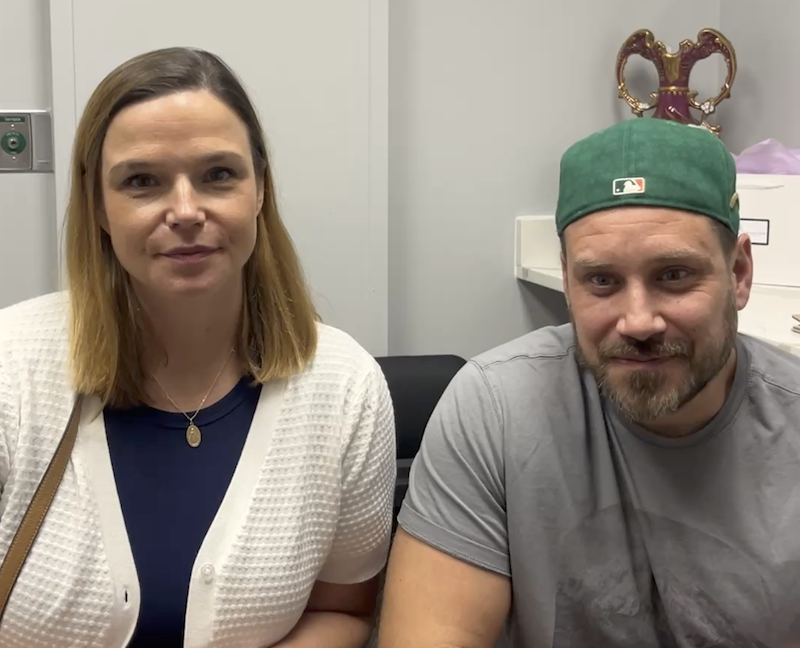
Patient’s Feedback
Before coming to Hair Loss Heroes, I felt scared and overwhelmed watching my hair thin so quickly. My hair had always been such a big part of who I was, and losing it was emotionally devastating. From the moment I walked into the clinic, the team treated me with compassion and gave me real hope.
A large circular bald patch at the crown of her scalp had developed, leaving her anxious and unsure of where to turn for solutions. Feeling overwhelmed and uncertain about treatment options, she came to Hair Loss Heroes hoping to find both answers.
Iron
Hormonal Support
Patient #21035 Case Study
Before coming to Hair Loss Heroes, I felt scared and overwhelmed watching my hair thin so quickly. My hair had always been such a big part of who I was, and losing it was emotionally devastating.